
When a house fire strikes your property, the devastating loss can feel overwhelming. Fire damage affects not just the area where flames touched, but smoke and soot can spread throughout your entire home. According to the National Fire Protection Association (NFPA), a fire department in the United States responds to a fire every 24 seconds, with fires accounting for more than $25.5 billion in direct property damage costs annually. This can be a traumatic event for anyone. This is why it is important to ensure a safe fire damage restoration cleanup process.
Working with an experienced restoration company ensures proper cleanup and safety protocols are followed. This article will provide you with some fire damage cleanup and restoration tips, so you’ll be able to handle the aftermath of fire with care and restore your property to its pristine condition.
1. Safety First
Before you begin any fire cleanup activities, you must wait until the fire marshal and other officials have granted access to your property. Never re-enter your home until the fire department has declared it safe. Even after getting clearance, fire damage restoration cleanup involves serious health risks from smoke damage, soot removal, and potential disturbed hazards.
Safety should always be your first concern when dealing with any fire damage situation. Cleaning up after a fire can be dangerous, so it’s essential to take proper precautions before starting any restoration process. The wrong cleaning techniques can spread soot around the house, making stains permanent and putting your health at risk.

Essential Safety Equipment
Always wear proper protective equipment before entering your property.
N95 respirator or higher-grade mask for removing smoke particles
Safety goggles for eye protection
Rubber gloves to prevent contact with soot and other materials
Long-sleeved clothing and sturdy boots
Hard hat if structural damage is present
Never touch soot-covered surfaces with bare hands, as oils from your skin can permanently set stains into affected materials. Fire damage restoration services require proper tools and specialized equipment to handle contaminated areas safely.
After fire damage, electrical wires and electrical outlets may be compromised. Avoid using electrical appliances or touching ceiling fixtures until a qualified electrician has inspected all electrical systems. Water damage from firefighting efforts can create additional electrical hazards throughout the property.
2. Keep the Space Well-Ventilated
Even after the fire department puts out the fire, smoke and toxic fumes remain in your home, which can be a serious threat to your health. Proper ventilation is crucial during the fire damage restoration process to remove contaminated air and prevent further damage to your property.
Open your home’s windows and doors to keep fresh air flowing through affected areas. This helps push out lingering smoke odors and allows clean air to circulate. Using industrial fans will help create a strong cross-current of air that forces out dangerous fumes and smoke particles more effectively.
HVAC System Considerations
Never run your HVAC system during initial fire cleanup, as this will circulate contaminated air throughout the ductwork and spread smoke odors to unaffected areas. Change air filters immediately and consider having the entire system professionally cleaned before use.
3. Dispose of Contaminated Items
According to the National Ag Safety Database (NASD), anything that has come into contact with smoke, water, or chemicals used by firefighters during firefighting efforts should be thrown away immediately. This is one of the most important steps in preventing health risks during fire damage restoration and cleanup.
Fire and heat can activate food spoilage bacteria, making many items unsafe even if they look normal. The recovery process requires disposing of all potentially contaminated materials to protect your family’s health and prevent further damage to your property.
Items That Must Be Disposed Of
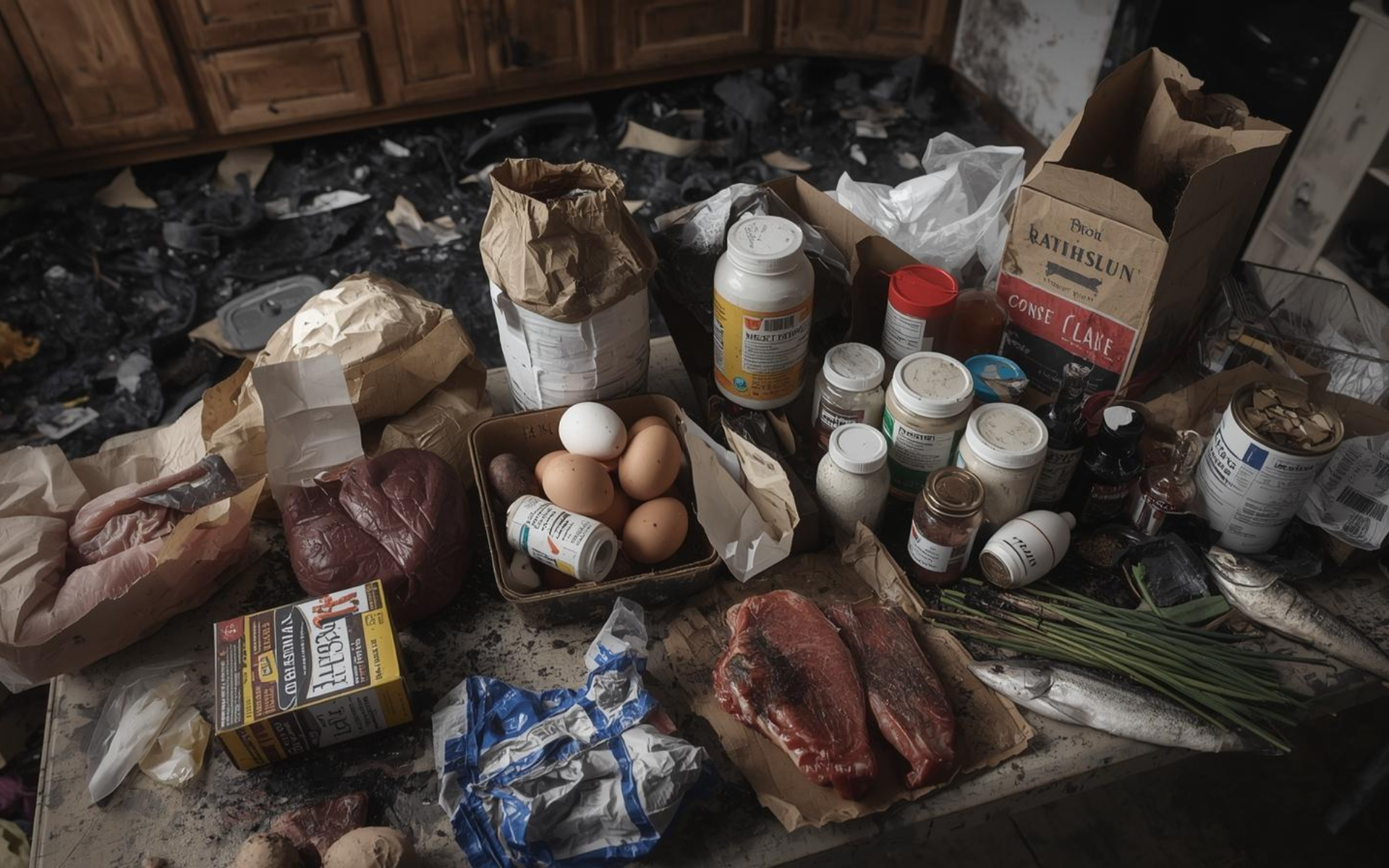
The following items should be thrown away immediately after fire damage:
Fresh produce, poultry, eggs, meat, and fish
All opened containers and packages of food
Items in waxed cardboard containers or those with peel-off tops
Any food wrapped in paper, foil, plastic, cellophane, cardboard boxes, or cloth
Spices, extracts, flour, seasonings, and other cooking staples kept in canisters
Canned and jarred items that show signs of exposure to smoke, heat, or water damage
Medicines and cosmetics exposed to smoke or heat
Don’t forget about medicines and cosmetics that were exposed to smoke or heat during the fire. These personal items can become contaminated and unsafe to use. Charred contents and other materials that came into contact with smoke should also be removed as part of the debris removal process.
Safe Disposal Practices
When handling contaminated items, always wear protective equipment and avoid touching materials with your bare hands. Work closely with your restoration company to ensure proper disposal according to federal regulations. Some materials may require special handling procedures, especially if disturbed hazards like asbestos or lead are present in your home.
Contents Restoration
Personal property affected by smoke and soot requires careful evaluation. Some items can be restored to pre-fire condition through specialized cleaning, while others may need replacement. Professional content restoration services can often salvage items that appear beyond repair.
4. Contact Your Insurance Provider
After the fire department has controlled the situation and ensured everyone’s safety, contact your home or business insurance company immediately. This should be one of your first steps in the fire damage restoration process, even before beginning any cleanup activities.
Your insurance company needs to know about the fire damage as soon as possible to start the claims process. The faster you inform your insurance provider, the quicker you can get approval for fire damage restoration services and begin restoring your property to pre-fire condition.
Documentation for Insurance Claims
Take as many pictures and videos as possible to document the fire damage throughout your property. This documentation helps the insurance company assess the damage accurately and speeds up the claims process. Photograph affected areas, damaged personal property, and any structural damage before moving or cleaning anything.
Your insurance agent will guide you through what needs to be done immediately and what should wait for professional assessment. They can also help you understand your coverage for temporary housing if your home is not safe to occupy during the restoration process.
5. Work with Professionals
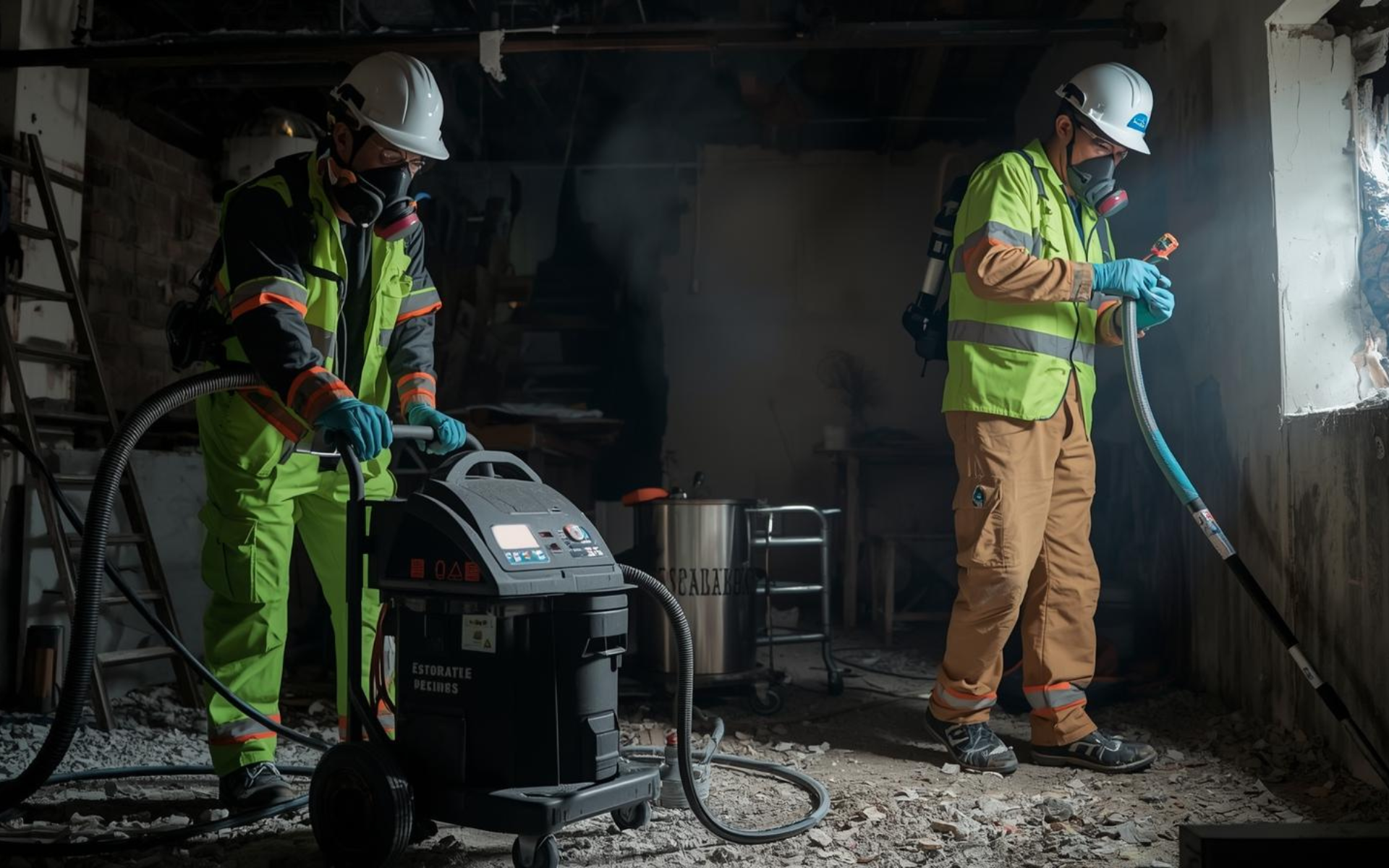
While minor fire damage might seem manageable, hiring a professional restoration company is always the best choice. Fire cleanup involves dangerous work, and missing structural issues or health risks is an easy mistake that can cost you more money and put your family at risk. Professional fire damage restoration companies have the training, equipment, and experience to handle all aspects of fire damage safely and effectively.
What Professional Restoration Services Provide
Professional restoration companies offer complete fire damage restoration services that go far beyond basic cleaning. They start with a thorough assessment of all affected areas to understand the full scope of damage. When needed, they can set up emergency power to keep essential systems running during the restoration process. These companies handle debris removal and proper disposal of contaminated materials according to federal regulations for disturbed hazards like asbestos and lead.
If water damage has occurred from firefighting efforts, professional teams also provide mold remediation services to prevent health problems. They coordinate directly with insurance companies throughout the claims process, making the entire experience less stressful for property owners. Finally, they handle structural repairs and reconstruction to restore your property to pre-fire condition.
How to Choose the Right Fire Damage Restoration Professional
When selecting a restoration company, look for proper licensing and insurance coverage to protect yourself from liability. Choose companies with extensive experience handling fire damage restoration projects similar to yours. The best restoration professionals hold certification in IICRC standards, especially the S740 Standard for Professional Restoration of Fire and Smoke Damaged Personal Items, which ensures they follow industry best practices.
Make sure the company offers 24/7 emergency response capabilities, since fire damage requires immediate attention to prevent further problems. Check customer reviews and ask for references from recent clients to verify their quality of work. A reputable restoration company will gladly provide references and explain its restoration process in detail.

Do’s and Don’ts after the Fire
Following these do’s and don’ts will lessen the damage of your property:
Do
Limit foot traffic in the house to prevent spreading of soot that can further seep in the house’s textiles.
Frequently wash your hands and avoid touching any unsoiled surfaces.
Water houseplants with fresh water to remove smoke and silt from the leaves.
Put down old linens or floor runners to protect rugs, upholstered furniture and carpets.
Open the doors of your refrigerator and freezer once the electricity has been shut off. This helps to prevent any smells.
Change your HVAC filter.
Tape two layers of cheesecloth over your home’s air filter.
Cover any clean or unaffected pieces of furniture with plastic.
Don’t
Don’t wash walls, painted surfaces or textiles by yourself- wait for your fire damage cleanup company to help you.
Don’t consume fresh, canned or packaged food or drink that were in the house during the fire.
Don’t turn any ceiling fixtures as wiring may still be compromised.
Never clean electrical appliances that were close to or affected by fire. Call an electrician or let your fire remediation company evaluate these items first.
Complete Fire Damage Restoration Process
The fire damage restoration process typically involves several phases that can take weeks or months to complete, depending on the extent of damage. Fire damage restoration consists of three parts: assessment, cleanup, and restoration.
Phase 1: Assessment and Documentation
Fire damage restoration professionals begin with a thorough assessment to determine restoration needs. This includes evaluating structural integrity, identifying disturbed hazards, and creating a comprehensive restoration plan.
Phase 2: Cleanup and Mitigation
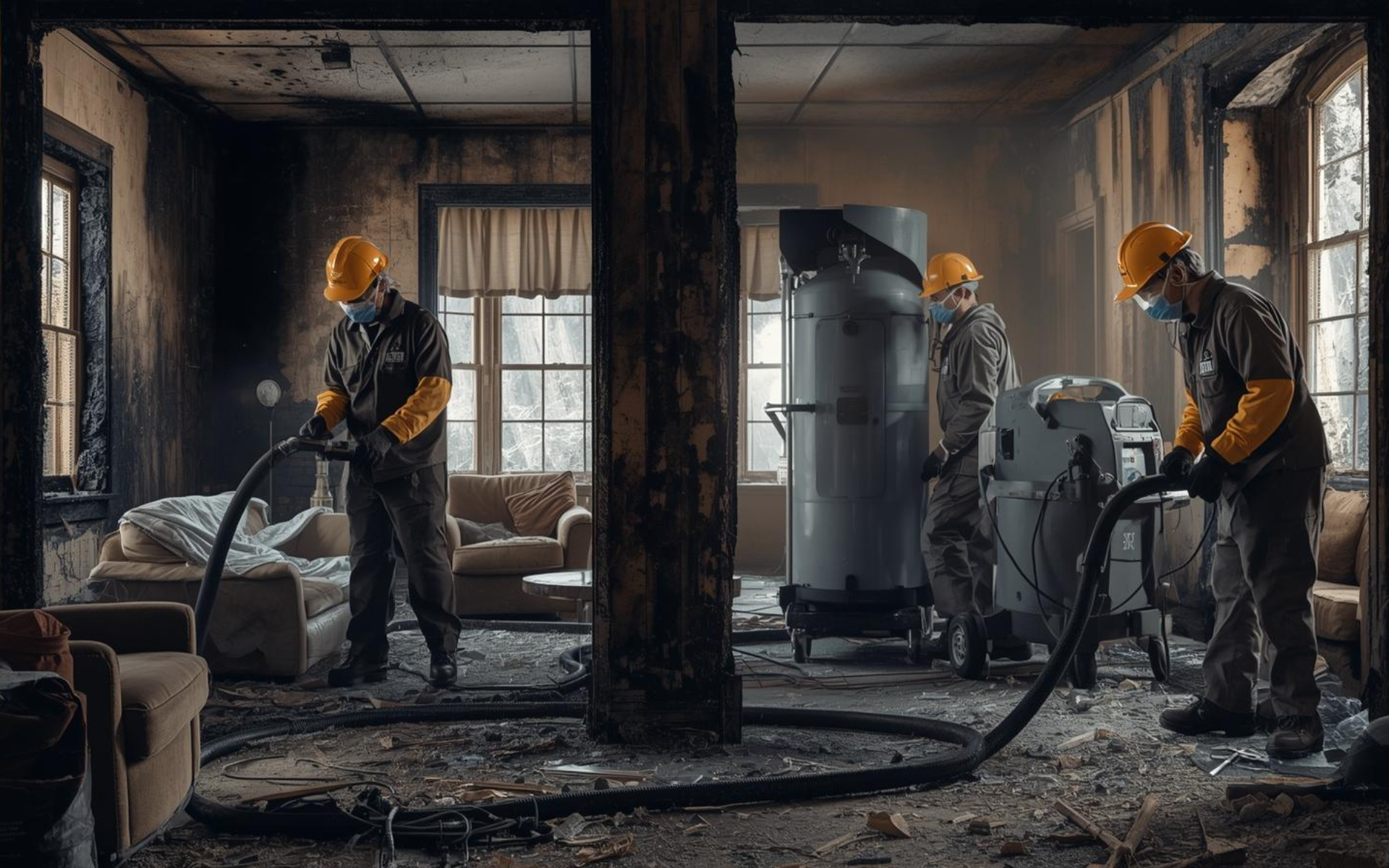
This phase involves removing charred contents, addressing water damage, performing soot removal, and eliminating smoke odors. Professional restoration companies use specialized equipment and techniques to restore affected areas to pre-loss condition.
Phase 3: Reconstruction and Final Restoration
The final phase involves rebuilding damaged structures, replacing affected materials, and ensuring the property is safe for occupancy. This may include updating smoke detectors, electrical systems, and other safety features.
Are you dealing with the Aftermath of Fire? We can help
Dealing with a fire cleanup on your own can be overwhelming and complex. If you’re not extra careful, you can end up causing further damage to your property and hurting yourself. Make sure to follow the tips above to ensure safety and successful cleanup.
Should you have any questions about our services, feel free to contact us!