
Water creeps in fast and doesn’t wait. One minute your floors are fine, the next they’re soaked through. The flood restoration process isn’t just about drying things out. It’s about understanding the damage, acting fast, and knowing what steps bring your home back safely and completely.
It’s not something you should face alone. A reliable restoration company handles the chaos with purpose. In this blog, you’ll learn what really happens during flood restoration and why timing matters, so you can feel more prepared and less overwhelmed.
How Flood Water Damages Your Home
Flood water doesn’t just sit on top of surfaces. It gets into everything. Once water intrusion begins, it seeps into porous materials like your drywall, insulation, flooring, and even the wooden frame of your house. Standing water weakens the structural integrity of your home and turns electrical equipment into a serious electrical hazard.
Your wet carpet becomes a breeding ground for bacteria and other contaminants, and damaged materials throughout your house start breaking down quickly. The extent of the damage really depends on several factors: where the water came from, how long it stuck around, and what type of water you’re dealing with. Clean water from a burst pipe or broken water heater is bad enough, but gray water from washing machines or overflowing toilets brings more contamination. Flood water from natural disasters? That’s often the worst because it carries all sorts of dangerous stuff with it.

What is Flood Restoration?
Simply put, flood restoration means getting your home back to the way it was before the flooding event happened. Professional restoration companies step in with specialized equipment and years of experience to tackle the mess left behind. They handle everything from removing excess water and drying out affected areas to cleaning contaminated surfaces and fixing structural damage. The end goal is simple: create a safe and healthy environment where you and your family can live comfortably again while saving as much of your personal property as possible.
Why Flood Restoration Matters
Here’s the thing. Trying to handle flood restoration yourself usually makes things worse. Professional flood restoration services protect your health and your wallet in ways you might not expect. Hidden moisture trapped in your walls and floors creates perfect conditions for mold growth, and those spores can start multiplying within just 24 to 48 hours.
Quick action from professionals can save personal belongings and building materials that would otherwise need complete replacement. Your insurance company expects you to act fast to minimize damage, so getting professional help right away often determines whether your claim gets approved or denied. Wait too long, and contaminated water spreads further through your property, making repairs more expensive and keeping you out of your home longer.
Benefits of Hiring a Flood Restoration Service
Expert restoration companies bring something you can’t get anywhere else: the right combination of knowledge, equipment, and experience. Specialized equipment like submersible pumps, extraction units, air movers, and moisture meters does the job properly the first time. Trained technicians know how water moves through different building materials and can spot hidden moisture that causes problems months later.
How the Flood Restoration Process Actually Works
The flood water damage repair and restoration process isn’t random. It follows a specific order that tackles the most urgent problems first, then works toward getting your property back to its pre-loss condition. Each water damage restoration phase builds on the last one, making sure nothing gets missed and preventing new problems from popping up.
Step 1: Water Extraction
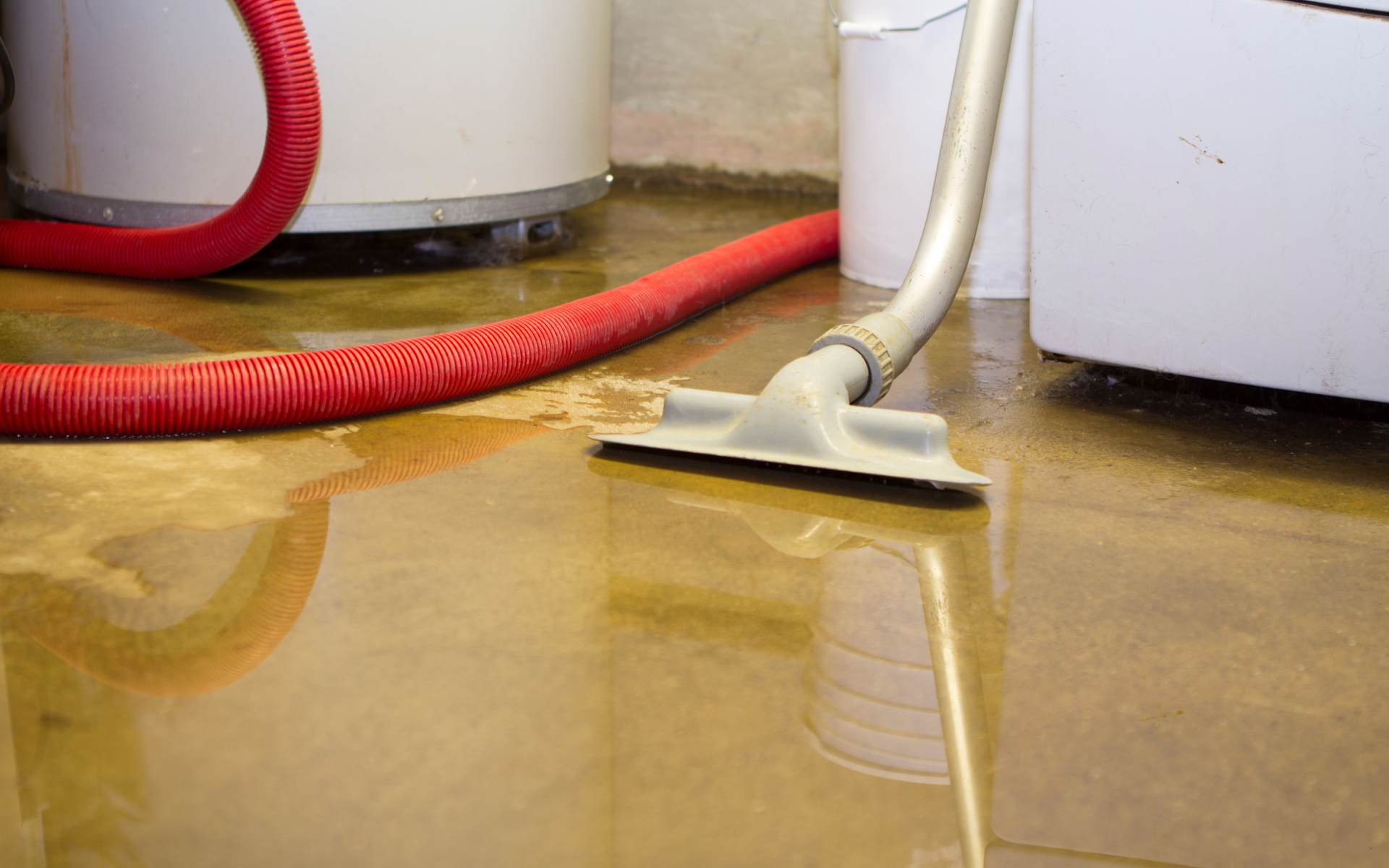
The moment your professional restoration company arrives, they get to work on water removal. First, they check out the affected areas to figure out the safest and fastest way to get rid of all that standing water. Submersible pumps handle the big stuff, while extraction units go after moisture hiding in your carpets, furniture, and other porous materials.
Safety always comes first during a water emergency. The team shuts off power to flooded areas before they start working to avoid electrical hazards. If you’re dealing with contaminated water, they follow special procedures to keep everyone safe and prevent nasty stuff from spreading to clean parts of your home.
Speed matters here. The faster they can remove moisture, the less damage happens to your home’s structure and the lower your chances of dealing with mold growth later.
Step 2: Drying Everything Out
Once the water is gone, the real drying process begins. Industrial-strength air movers create airflow patterns that speed up evaporation, while dehumidifiers pull moisture right out of the air so it doesn’t just settle somewhere else in your house.
Technicians constantly check moisture levels in your walls, floors, and other building materials using specialized moisture meters. Different materials dry at different speeds, so they keep adjusting where the equipment goes and how it’s set up to make sure everything gets completely dry.
Getting the drying process right prevent mold growth and saves building materials that might otherwise need replacement. Usually takes several days to finish, depending on how much water got in and what the weather’s like.
Step 3: Cleaning and Making It Safe
The cleaning process tackles all the contamination that flood water leaves behind. Every surface in the affected area gets thoroughly cleaned with antimicrobial solutions designed to kill bacteria and other nasty stuff. Porous materials that can’t be properly cleaned have to go. There’s no point in keeping something that could make you sick.
Personal belongings get special attention during this phase. Items that can be saved go through specialized cleaning procedures, while heavily damaged materials get documented and disposed of safely. All of this documentation helps with insurance claims and keeps track of what’s being done.
Air quality gets better throughout the cleaning process as contaminants disappear and proper ventilation returns to affected areas. The goal is to create a healthy environment that’s actually safe to live in once everything’s done.

Step 4: Complete Restoration
The final phase brings your property to its pre-damage condition by repairing and replacing damaged parts. Simple repairs like painting and new carpet happen pretty quickly, but extensive damage might mean major reconstruction work.
Building materials that are damaged beyond repair get replaced with new stuff that matches what you had before. Flooring, drywall, insulation, and trim work are common replacements after serious flooding events. Any electrical equipment that got wet needs inspection and possibly replacement to make sure it’s safe to use.
Everything wraps up with a thorough inspection to make sure all work meets industry standards and local building codes. Your restoration company gives you documentation proving that your property has been returned to a safe and healthy condition.
Things to Do Immediately During or After a Flood
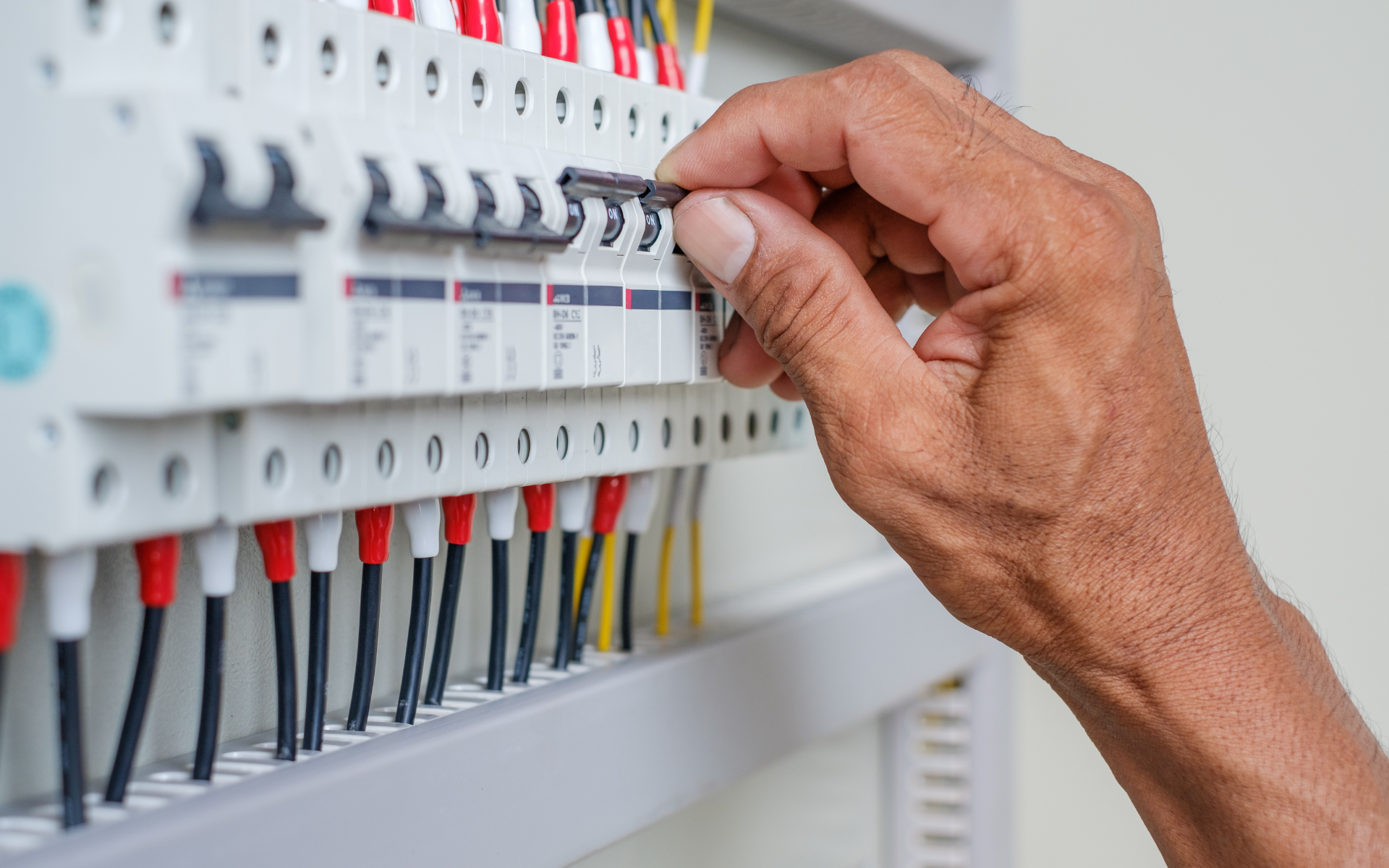
Acting fast can save your home and keep your family safe. First things first. Turn off the electricity to any flooded areas immediately to prevent electrical hazards. Don’t walk through standing water if there’s any chance that electrical equipment is still powered up.
Get on the phone with your insurance company as soon as possible to report the flooding event and start the claims process rolling. Take pictures of the damage before you start any cleanup, but only if you can do it safely.
Call a professional restoration company for immediate assistance with water mitigation. Royal Restoration offers 24/7 EMERGENCY SERVICE and can start the restoration process right away. Don’t sit around waiting. Every hour you delay gives mold more time to start growing and lets structural damage get worse.
If you can safely move personal belongings out of affected areas, do it. Get your stuff to dry parts of your home to prevent further damage. Just don’t try using your regular household vacuum to suck up water. That’s dangerous and can wreck your vacuum, too.

Keeping Future Floods from Happening
Floods happen without warning, making preparation essential for protecting your home. Having a solid plan in place can significantly reduce the risk of future water damage. Here are some practical steps you can take to minimize flood risks:
- Check appliances like washing machines and water heaters regularly for leaks, and replace old hoses before they fail
- Keep gutters clean and ensure water drains away from your foundation, not toward it
- Know where your main water shutoff valve is and how to turn it off quickly in emergencies
- Store valuable items in waterproof containers and keep important documents in a fire-safe box
- Create a family emergency plan and stay informed about flood warnings in your area
Bottomline
Every disaster has a human story behind it, and flood damage requires you to act quickly. Water restoration teams know exactly what they’re doing and have the right equipment to get your home dry and safe again. They follow strict standards to make sure everything is done properly, so you can trust that your home will be restored the right way.
Royal Restoration responds to both manmade and natural disasters, helping create a restoration plan that gets you back to normal fast. Emergency service means we’re ready 24/7 when you need us most. Let the nearest Flood Damage Restoration and Cleanup team restore your home. The final step is simple: contact us, and we’ll handle everything else.