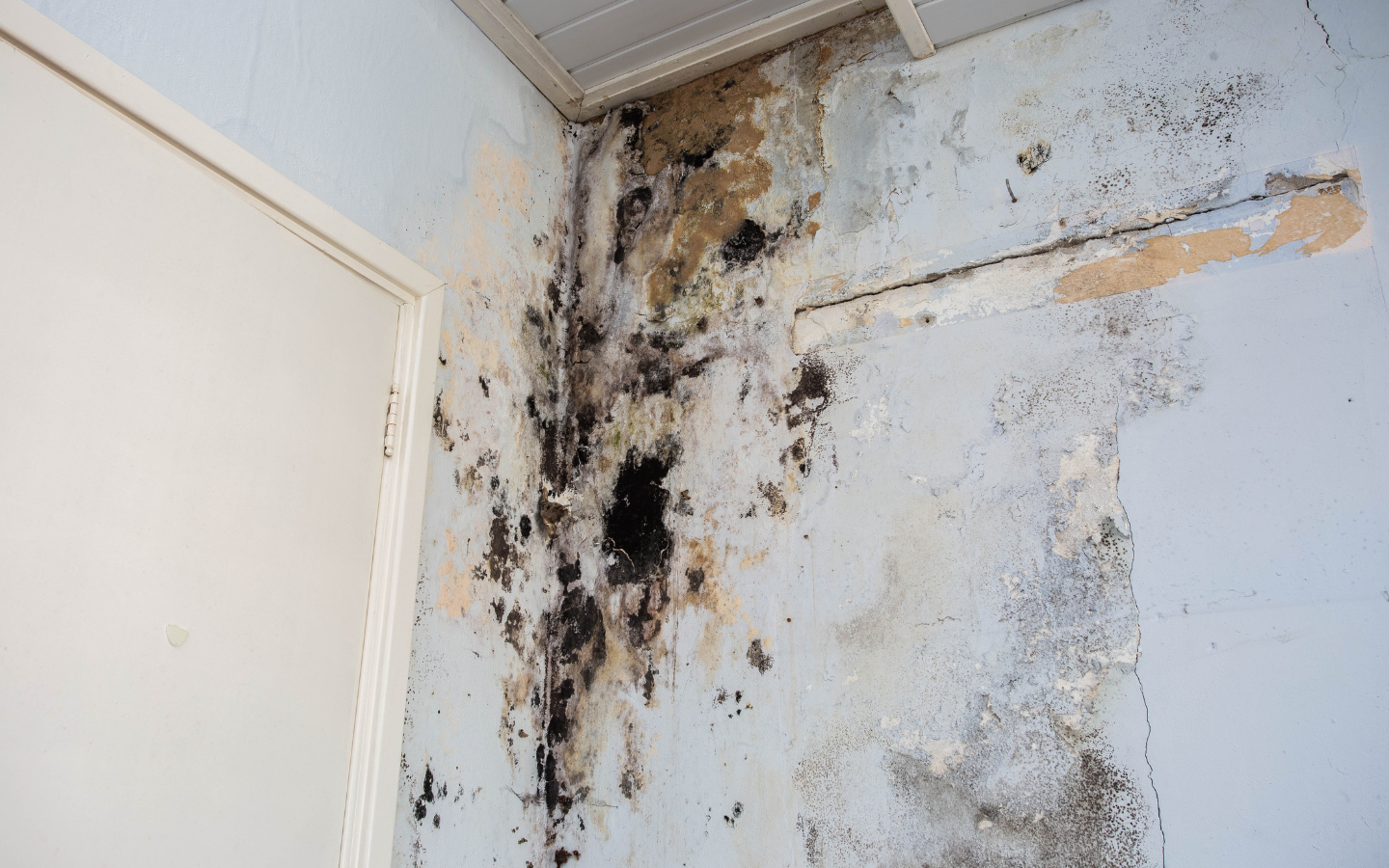
Mold grows in dark, moist areas like basements, bathrooms, and ductwork, feeding on organic materials like wood and drywall. Left untreated, it can damage your home’s structure while causing allergies and respiratory problems for your family. Knowing when to tackle mold damage repair can save you time and protect your family’s health.
Once mold starts to thrive in your home, you need to quickly remove it. You can surely hire a restoration service, but you can also do it yourself. We’re sharing with you a guide on how to repair mold damage. By doing this, you’re preventing further damage to your home.
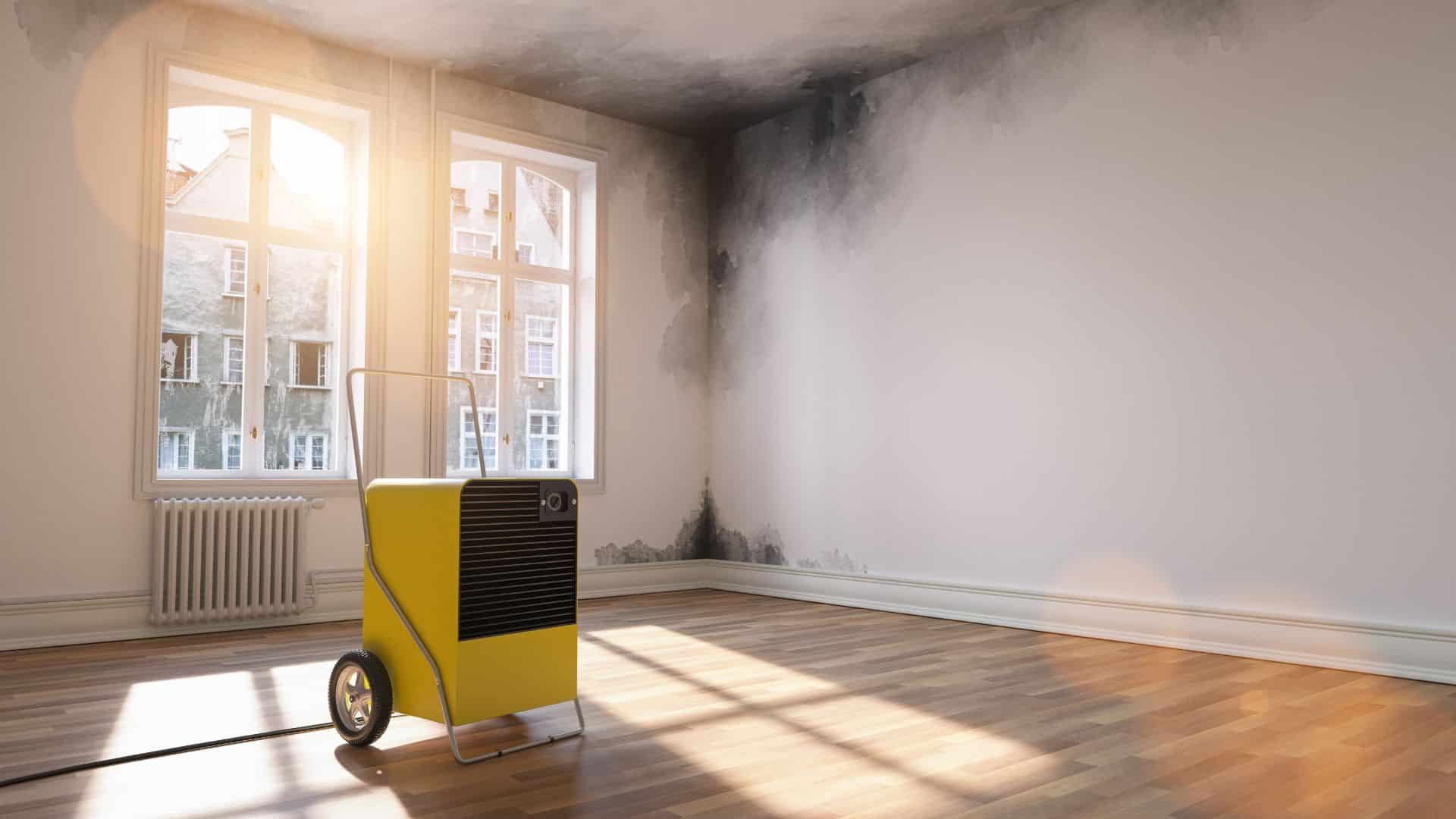
What do you need to prepare for mold damage repair?
Before cleaning, you need to protect yourself from molds. They cause respiratory problems when you inhale their spores. To protect yourself from these fungi, here are the mold cleaning tips you need to prepare:
Personal Protective Equipment (PPE)
This includes your gloves, goggles, mask, and N95 respirator. Take note: you can’t inhale their spores. Otherwise, you can get asthma attacks and watery eyes. As you could see, mold damage restoration services are always in their protective equipment when it comes to dealing with problems.
Rags, brush, vacuum, and knife
Prepare your cleaning tools for mold damage repair. This fungus is easy to scrub off the surface, so you can use a rag or soft brush. If they strongly adhere to your walls or tiles, you can use a knife or stiff brush.
Vacuum
Remove fallen particles and spores of molds on the floor using a HEPA vacuum. This ensures you are leaving no traces of them on any surfaces.
Trash bag
All those materials that cannot be repaired from mold damage are thrown away properly. After closing your trash bag, you can spray disinfectant on it.
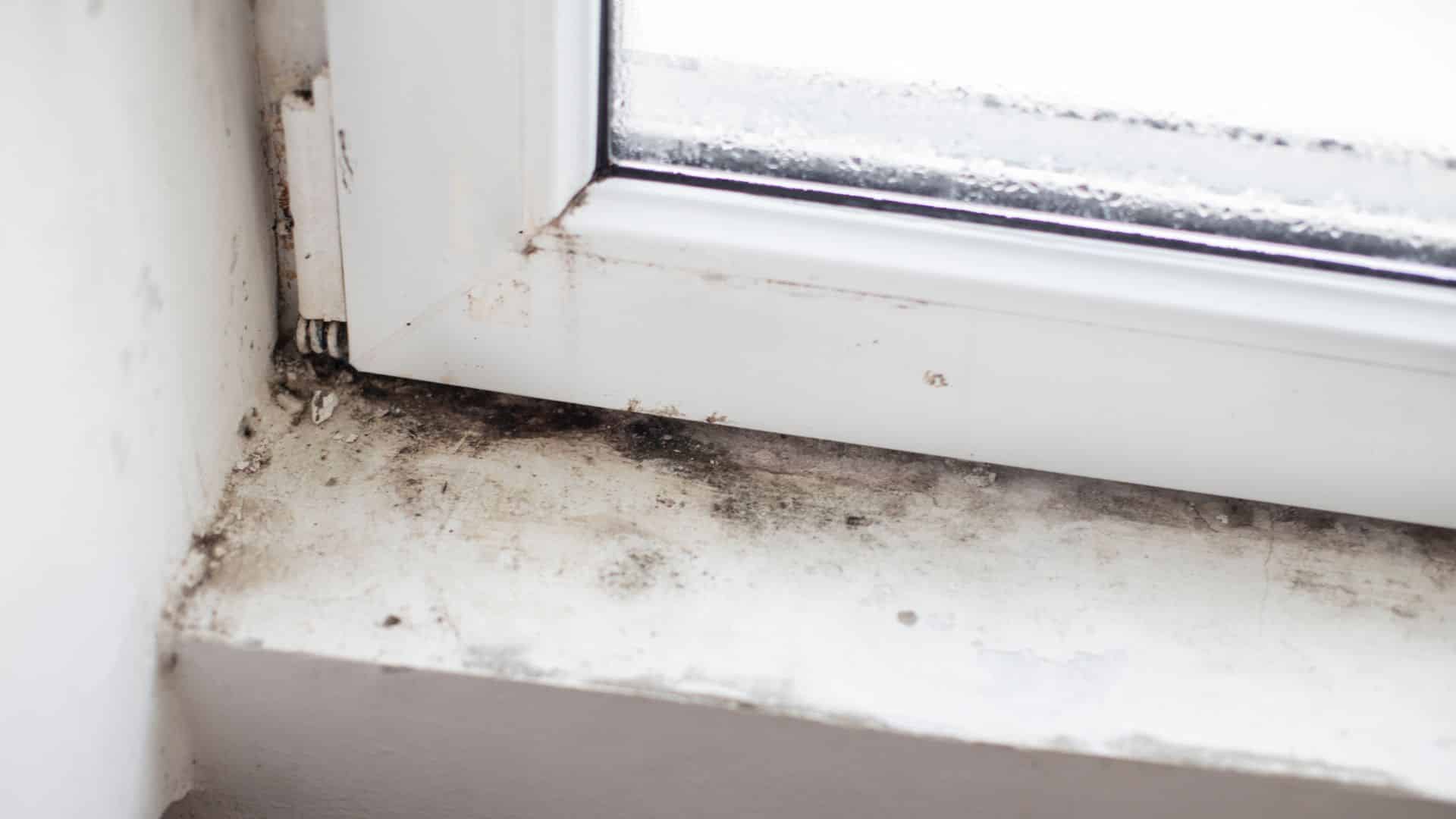
How will you clean and repair mold damage?
Mold grows in dark, moist areas like your basement, bathroom, and ductwork. They grow on organic porous materials like wood and cork. If you let them grow, they can destroy the structure of your house while causing allergies to you and your loved ones. Complete mold elimination isn’t just surface cleaning. Curious about the steps needed for effective mold removal? The process involves:
1. Identifying the affected areas
Locate those areas where mold damage is present. After doing that, inform everyone in the house to stay away from those places since you’re going to clean them.
Mold testing helps determine if you have hidden mold growth behind walls, in air ducts, or other areas you can’t see. Professional air quality tests can detect mold spores even when there’s no visible growth, which is especially important if family members experience unexplained allergic reactions or respiratory issues.
DIY mold test kits from hardware stores can give you a general idea of mold presence, but professional testing provides more accurate results. Consider testing after water damage, before buying a home, or if you smell a persistent musty odor but can’t locate the source.
2. Plan for a mold remediation
Once you’re done spotting them, you need to make an assessment. If you can do the clean-up and repair on your own, or if you need to hire a mold damage repair company. At Royal Restoration, we offer a free consultation to help you assess the extent of mold damage. That way, you have a more accurate evaluation of the situation.
Once you’ve made your final decision, you can proceed to getting the materials you’ll need for mold remediation and repair.
3. Prepare your supplies and cleaning products
Assemble those materials we’ve mentioned in the previous section for cleaning and repairing mold damage. Make a checklist and see if you’re missing something or not. Remember, you need to wear your personal protective equipment before cleaning molds. You need to protect yourself from getting sick due to mold infestation.
4. Isolate and prepare the area to be cleaned
After spotting the area affected by mold, you need to remove those items that are not infected to prevent further mold damage. You can isolate the place with a plastic cover and duct tape those holes and crevices where mold spores can come out.
This is done by most mold damage repair services to contain mold spread and damage. You also need to turn off your air conditioning system in that affected room so that mold won’t circulate inside your HVAC system.
5. Set up negative air pressure
Setting up a negative air pressure inside the affected area can be challenging, especially if you don’t have the equipment. This process entails air suction from the affected space and blowing it outside the house. That way, you are removing spores inside the house so as to prevent the spread to other areas.
Alternatively, you can use a HEPA vacuum to suck all those spores inside the isolated space. That way, you are storing all the mold in one container, preventing it from spreading across your house.
6. Mold remediation and clean-up
You can now start sanitizing your space where molds are growing. You can use your rag or brush to brush them off your drywalls, tiles, or carpets. Furthermore, you can use those commercial products for mold cleaning sold in stores and hardware. Otherwise, you can make your own. Baking soda and water are two common ingredients for your DIY mold cleaner.
If you use a rag, after wiping it, immediately throw it away. This is to avoid contamination. Disinfection is done after cleaning. It’s your final step for mold cleaning.
7. Remove materials that can no longer be salvaged
If your drywall or carpets having mold damage that can no longer be repaired, you have to get rid of them. It’s better to be safe than to let this fungus grow on other organic surfaces. But if you can still clean and repair them, then that would be great. Still, you have to make sure that they’re sturdy enough to be recycled and reused. There are easy carpet cleaning tips that you can follow to do it safely.
8. Properly dispose waste and disinfect your tools
Secure your trash bag and spray disinfectant over it. Properly dispose of your waste to avoid re-contamination. After that, place all your cleaning products in one container for cleaning and disinfection. You can use bleach, hydrogen peroxide, baking soda, or detergent for it. But you can also buy mold disinfectants in stores.
9. Check it again
You need to inspect the area you’ve cleaned. This is to ensure no molds are left behind. You can also double-check if some things have been contaminated with molds, so you can still quickly clean and disinfect them. Make sure that you add this to your house cleaning checklist.
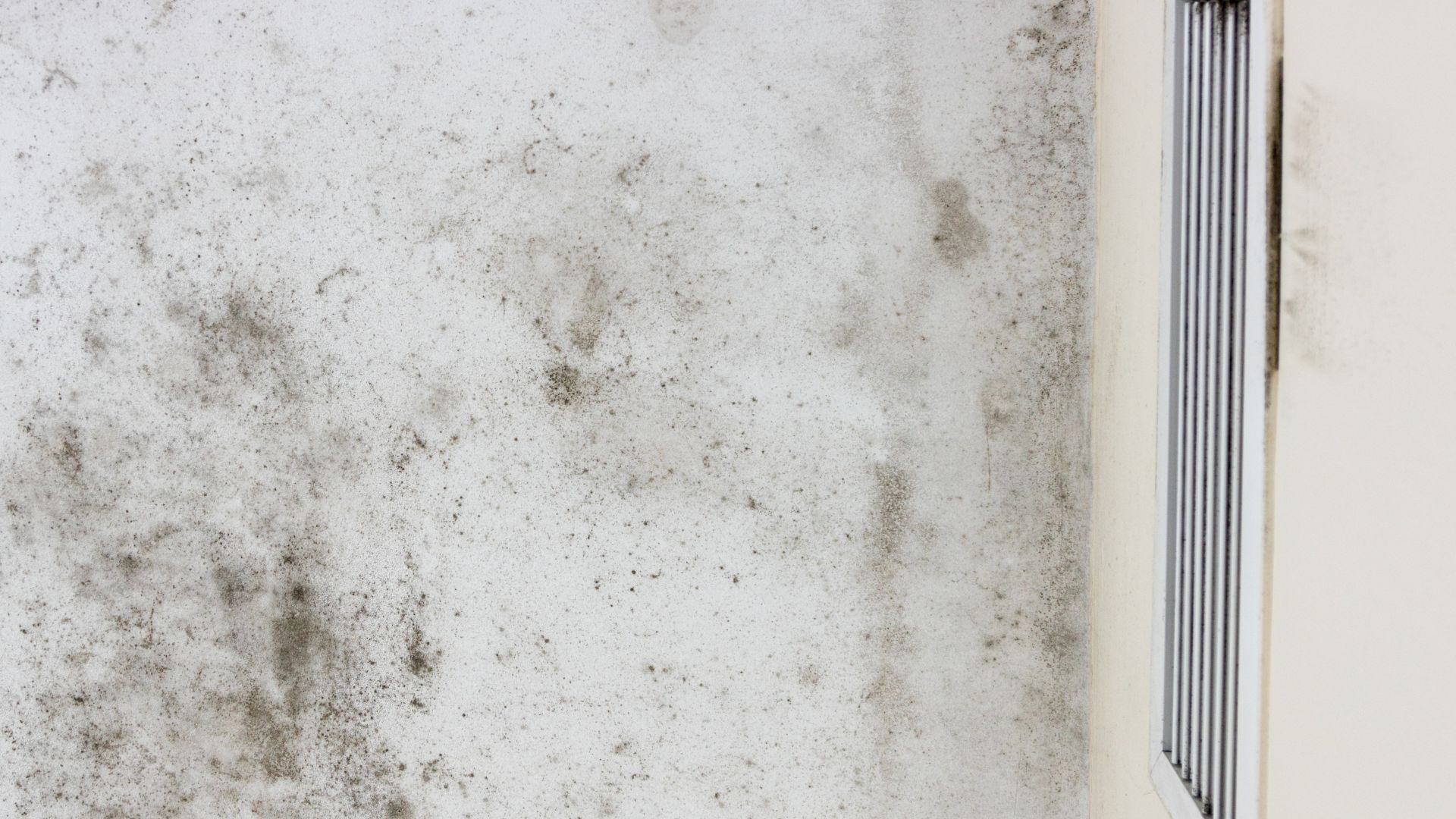
How much does mold damage repair cost?
Mold damage creates stress for homeowners both financially and health-wise. Nobody wants to deal with the expense of professional mold remediation.
According to 2025 data from Angi, mold remediation costs $2,365 on average nationwide. Most homeowners pay between $1,222 and $3,751 for professional mold removal, though costs can range from $373 for small areas up to $7,000 for extensive infestations.
Factors That Affect Mold Repair Costs
Here are some factors affecting the cost of mold repair
Size and Location of Infestation: Larger affected areas cost more to remediate. Basement mold removal and HVAC system cleaning typically cost more due to accessibility challenges and the specialized equipment required.
Type of Mold: Different mold species require different removal approaches. Toxic black mold costs more to remove safely than common household molds.
Extent of Structural Damage: Minor surface mold might only need cleaning, while extensive growth could require drywall replacement, flooring removal, or structural repairs.
Location: Labor costs vary significantly by region. Urban areas typically have higher remediation costs than rural locations.
Company and Service Coverage: Prices vary between restoration companies based on their experience, restoration certifications, and what’s included in their service package.
Remember that the cheapest option isn’t always the best. Getting multiple estimates helps you understand fair pricing for your specific situation.
Preventing Mold: Keep Mold from Coming Back
The key to preventing mold growth is controlling moisture throughout your building. Keep humidity levels below 50%, fix leaks immediately, and ensure proper ventilation in bathrooms, kitchens, and basements. Open doors and windows when weather permits to improve air circulation.
After any water damage or flood, act quickly to dry affected areas within 24-48 hours. Clean and inspect areas prone to moisture regularly, including around windows, heating systems, and insulation.
DIY vs. Calling Professionals
Small mold problems (less than 10 square feet) can often be handled with DIY mold cleanup if you have the right safety equipment and follow proper steps. You can tackle surface mold on non-porous materials like tiles or painted walls yourself, but act quickly before mold growth spreads to building materials like insulation or drywall. However, if you notice a strong musty odor, see mold covering large areas, or suspect water damage behind walls, the mold remediation process requires professional expertise to protect your indoor air quality and prevent health risks.
Professional help becomes essential when removing mold from contaminated materials in hard-to-reach areas, commercial buildings, or when family members experience allergic reactions. Certified restoration professionals have specialized training to safely handle the remediation process, including proper ventilation systems that blow air away from clean areas and prevent mold spores from spreading. They can also inspect hidden moisture problems in heating systems, determine if structural building components are affected, and ensure your home returns to normal humidity levels.
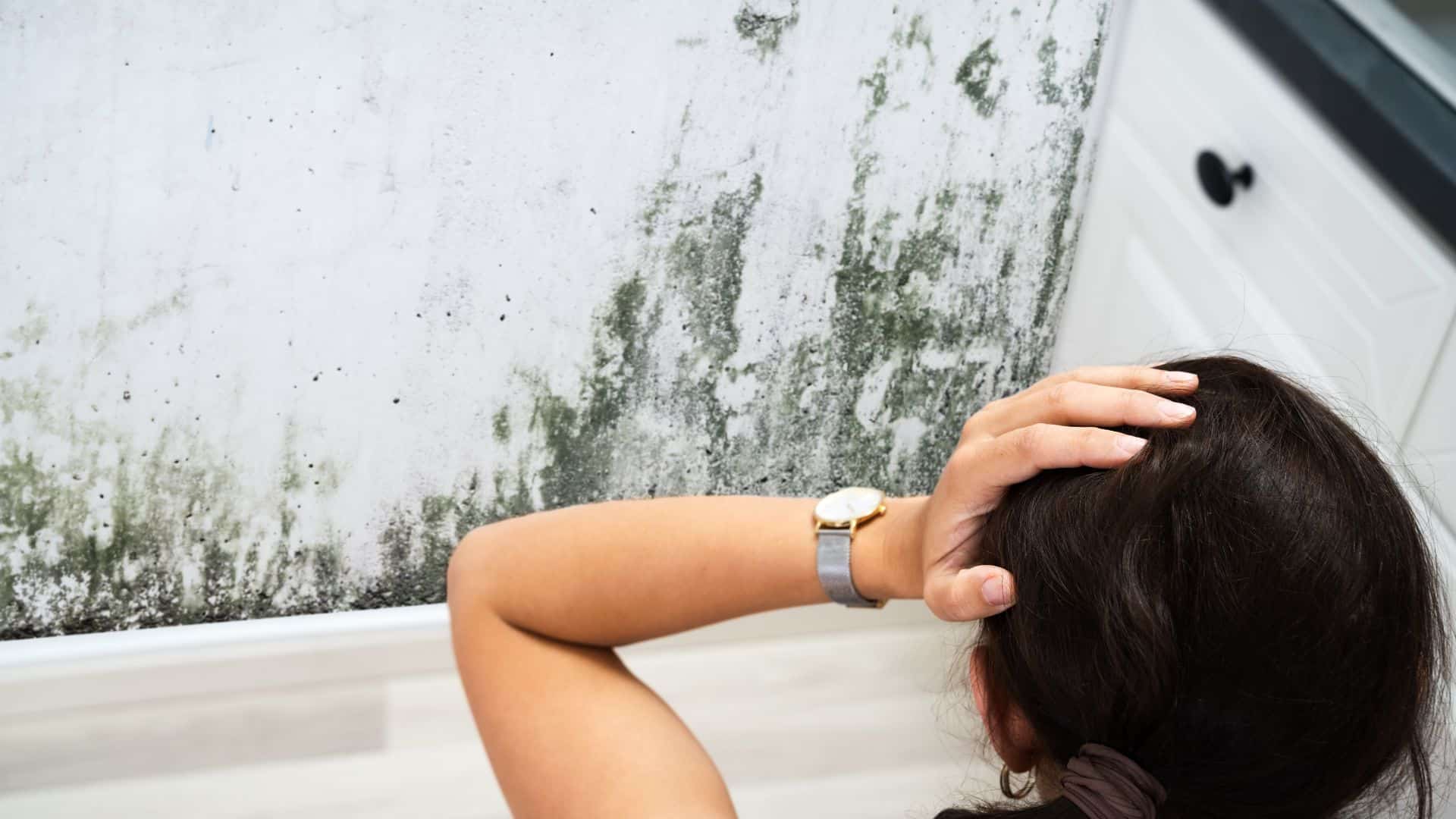
When do you need to call a professional mold damage repair service?
Even when you have the proper tools but you don’t have the skills, you’ll still have difficulty cleaning and repairing mold damage. If the extent of mold damage is alarming, it’s safer for you to let a professional do it. They have the proper knowledge and technology to safely and efficiently handle this concern. Such steps could also be helpful, and there are safer house cleaning tips and tricks that you can follow.
Fast Response for Serious Mold Problems
Mold problems require immediate assistance to protect your health and prevent expensive property damage. Waiting only makes the situation worse and more costly to fix. Royal Restoration is licensed and bonded to handle mold damage cleanup and repair for both residential and commercial properties throughout the DMV area.
Contact Royal Restoration at (888) 255-3515 for fast, professional mold remediation services. Should you have any questions about our services, feel free to visit us on Instagram or contact us!